

Tax season in New Jersey brings stress for plenty of people. The April deadline looms, documents pile up, and suddenly, filing on time feels impossible. An income tax extension exists for exactly this situation, but many people hesitate to use it.
There’s a common misconception that requesting an extension flags returns for audits or signals problems to the IRS. Neither is true. Extensions are a normal part of tax filing that millions of Americans use every year. CPAs in NJ recommend them in specific situations where filing by the deadline would create bigger problems than requesting more time.
Knowing when an extension makes sense – and when it doesn’t – helps avoid rushed returns with costly mistakes. Here’s what accountants actually consider when advising clients about filing extensions.
What an Income Tax Extension Actually Does
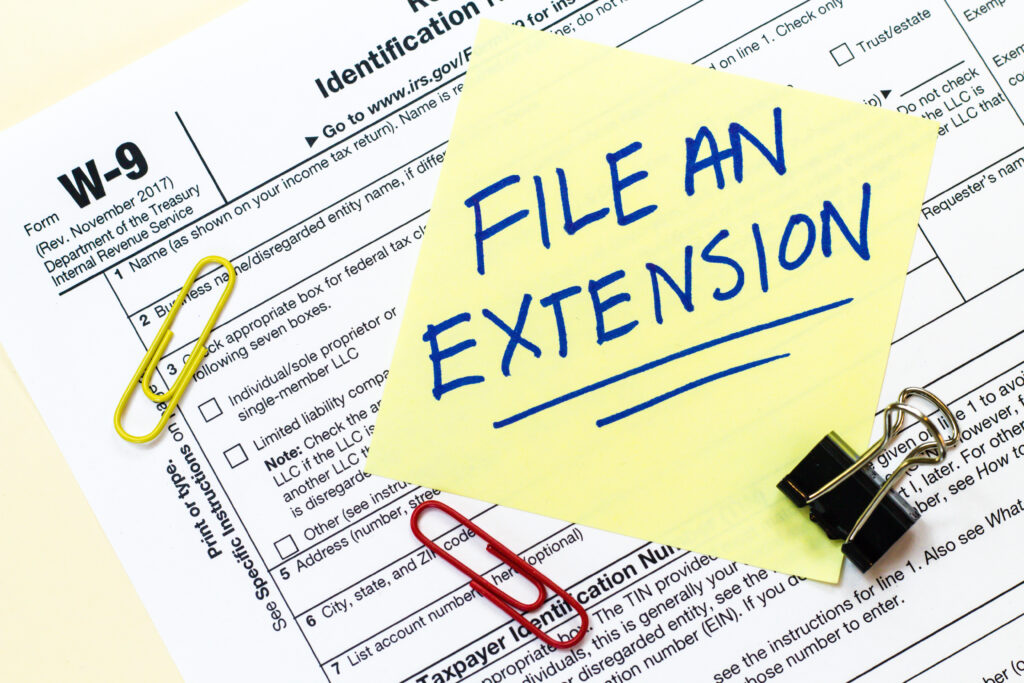
Do You Need An Extension On Your Taxes Filing?
An extension grants six additional months to file a tax return. The federal deadline moves from April 15th to October 15th. New Jersey follows the same timeline for state returns.
Here’s the part that trips people up: an extension to file is not an extension to pay. Any tax owed still needs payment by the April deadline. The extension only delays submitting the actual return paperwork.
This distinction matters. Someone who owes $5,000 in taxes can’t simply file an extension and wait until October to pay. The IRS expects that payment be made by April 15th, even if the return itself comes later. Penalties and interest accrue on unpaid balances starting April 16th.
For people expecting refunds, extensions carry no financial penalty. The money sits with the IRS either way – getting it in October instead of May just means waiting longer for the refund.
Missing Documentation Makes Extensions Necessary
The most common reason a CPA recommends an extension is incomplete documentation. Tax returns need accurate information. Filing with missing pieces creates problems that take months to resolve.
K-1 forms from partnerships or S corporations often arrive late. These documents show income and losses from business entities, and partners can’t complete their personal returns without them. Some K-1s don’t arrive until late March or even early April. Filing an extension becomes the only realistic option.
1099 forms sometimes trickle in after the deadline for issuing them. A contractor who worked for multiple clients throughout the year might receive a missing 1099 in late March, showing income not previously reported. Filing without it risks underreporting income. Filing with it at the last minute risks calculation errors. An extension provides time to incorporate the information properly.
Real estate transactions, especially from late in the previous year, generate forms that arrive slowly. Home sales, property exchanges, and rental property changes all produce documents needed for accurate filing. Rushing a return without complete real estate information often leads to amended returns later – more work and more expense.
Complex Financial Situations Need More Time
CPAs in New Jersey regularly see clients whose financial situations require careful handling. An extension gives time to review everything properly rather than rushing through complicated scenarios.
Business owners face this regularly. Someone running a business in NJ while also holding W-2 employment has multiple income streams, potential deductions, and various tax considerations. Getting all the numbers right takes time. An accountant needs to review profit and loss statements, reconcile business accounts, calculate depreciation, and determine legitimate business expenses. Doing this quickly leads to mistakes.
Cryptocurrency transactions create paperwork nightmares. The IRS requires reporting every crypto trade, even swapping one coin for another. Someone who made 200 transactions throughout the year needs to calculate gains and losses on each one. This takes substantial time to do correctly. Filing an extension while the accountant works through the calculations prevents errors that could trigger audits.
Investment portfolios with frequent trading generate extensive documentation. Day traders or active investors might have hundreds of transactions across multiple accounts. Reconciling everything, calculating wash sales, and properly reporting capital gains takes careful work. Rushing it invites mistakes that cost more to fix than the extension saved in time.
Life Events Disrupt Normal Tax Preparation
Sometimes, filing on time becomes impossible because life gets in the way. Accountants understand this and recommend extensions accordingly.
Serious illness or hospitalization can derail tax preparation entirely. Someone recovering from surgery or managing a health crisis can’t reasonably focus on gathering tax documents and reviewing returns. An income tax extension removes that pressure during an already difficult time.
The death of a family member, especially a spouse, creates immediate complexity. Estate matters, inheritance issues, and the emotional toll of loss make April 15th an unrealistic deadline. CPAs recommend extensions in these situations without question.
Job changes, especially mid-year relocations, complicate matters. Someone who moved from another state to NJ partway through the tax year needs to file partial-year returns in both states. Sorting out which income gets reported where, handling state tax credits, and ensuring nothing gets double-taxed requires careful attention. An extension provides the necessary time.
Avoiding Costly Mistakes Justifies Extensions
A rushed tax return often contains errors that cost significantly more than the extension would have. CPAs see this pattern repeatedly and recommend extensions to prevent it.
Math errors are the obvious issue. Simple calculation mistakes can result in paying too much or too little tax. The IRS catches arithmetic errors and sends notices, which then require time to resolve. Getting it right the first time saves hassle.
Missed deductions cost money directly. Someone rushing through their return might forget to claim mortgage interest, property taxes, or business expenses. These aren’t small amounts – proper deductions can lower tax bills by thousands of dollars. An accountant with adequate time reviews everything systematically and catches deductions a rushed client might miss.
Incorrect filing status creates problems. Determining whether to file as head of household versus single, or understanding married filing separately versus jointly, involves specific rules. Getting this wrong affects the entire return and sometimes triggers IRS questions. Taking time to determine the correct status matters.
When Extensions Don’t Make Sense
Not every situation benefits from an extension. Some circumstances actually make filing on time the better choice.
Expecting a refund with no complications means there’s little reason to delay. The sooner the return gets filed, the sooner the refund arrives. Extensions make no financial sense here unless documentation is genuinely missing.
Simple W-2 employment with standard deductions doesn’t require months of preparation. Someone with a straightforward income, no investments, and no business activities can usually file quickly and accurately. An extension just delays the inevitable without adding value.
Owing money without the ability to pay might seem like a reason for an extension, but it’s not. The payment deadline doesn’t change. Filing late without paying accumulates penalties on top of the tax owed. In this situation, filing on time and setting up a payment plan with the IRS makes more sense than an extension.
How CPAs in NJ Handle Extensions
Accountants have a systematic approach to determining whether clients need extensions. The process starts with document collection timelines.
By early March, a CPA knows which clients have provided complete information and which are missing key documents. Clients with everything submitted get scheduled for early completion. Those missing K-1s, 1099s, or other crucial forms get flagged for potential extensions.
Complex returns get assessed for time requirements. An accountant can estimate how long preparing a return will take based on the situation. Business returns, multiple state filings, or investment portfolios with extensive activity all require substantial preparation time. If the deadline doesn’t allow adequate time for quality work, the CPA recommends an extension.
Client communication matters throughout the process. A good accountant in NJ won’t wait until April 14th to inform clients about extension needs. By mid-March, clients should know whether they’re on track for timely filing or need to consider an extension.
Filing the Extension Properly
Requesting an income tax extension involves specific forms and deadlines. For federal returns, Form 4868 goes to the IRS by April 15th. New Jersey requires Form NJ-630 for state extensions.
Most accounting software allows electronic filing of extensions. This provides immediate confirmation that the IRS and the state received the request. Paper filing works too, but lacks the instant verification.
The extension request should include payment for any estimated tax owed. The IRS wants to see a good-faith effort to pay what’s due, even if the exact amount isn’t clear yet. Sending a reasonable estimate with the extension avoids or minimizes penalties.
After filing an extension, the October deadline becomes firm. Missing that deadline triggers late filing penalties with no further options for extension under normal circumstances.
Payment Requirements Don’t Change
This point deserves repeating because confusion about it causes problems every tax season. An income tax extension provides more time to file the return, not more time to pay taxes owed.
Someone who expects to owe $8,000 needs to pay that $8,000 by April 15th, regardless of when they file the return. The extension doesn’t change this requirement at all.
Estimating the amount owed can be challenging without completing the return. CPAs typically calculate a conservative estimate based on income, withholding, and the previous year’s taxes. Overpaying slightly is safer than underpaying and facing penalties.
For clients who genuinely can’t pay by April 15th, the CPA’s advice shifts. File on time if possible, request a payment plan, and work with the IRS on installment arrangements. Extensions don’t solve payment problems – they solve preparation problems.
State and Federal Extensions Work Together
New Jersey automatically grants a state extension when a federal extension is filed, but filing both provides clearer documentation. State returns often depend on federal return information, so extending one usually means extending the other makes sense anyway.
Some states don’t automatically honor federal extensions. Anyone with income in multiple states needs to verify extension rules for each jurisdiction. A CPA handling multi-state returns manages this automatically, but people filing themselves need to check the requirements.
New Jersey has its own tax quirks that sometimes complicate matters. Property tax deductions, pension exclusions, and state-specific credits all require attention. An extension provides time to optimize state tax strategies, not just federal ones.
Making the Decision
Whether to file an income tax extension comes down to a practical question: can an accurate, complete return be prepared by April 15th without cutting corners?
If the answer is yes, file on time. There’s no advantage to delaying unnecessarily.
If the answer is no – documentation is missing, the situation is complex, or life circumstances make it impossible – an extension is the responsible choice. Filing an incorrect return to meet a deadline creates more problems than the deadline solves.
CPAs in New Jersey make these recommendations based on what serves clients best. Sometimes that means working long hours to meet the April deadline. Sometimes it means filing an extension and doing the work properly over the next few months.
The goal isn’t filing fast. The goal is to file correctly. Extensions exist to make that possible when circumstances require it.