

Running a small business in New Jersey means handling many tasks at once. You deal with vendors, staff, and customers every day. The last thing you want is a letter from the IRS saying your return is under review.
Every year, many business owners get audited. Smart ones know what triggers an audit and stay out of trouble. The IRS does not choose returns by chance. It uses a system that looks at your numbers and compares them to similar businesses. If something looks off, your return gets a closer look.
Here are the main reasons businesses get audited and how to avoid them.
Cash Businesses Get More Attention
Businesses that handle a lot of cash face higher audit risk. This includes restaurants, salons, and repair shops. Cash is harder to track than card payments. If cash is not recorded, it looks like hidden income. The IRS knows this pattern from past audits.
You do not need to just stop taking cash, but play it smart and track it well. Keep a receipt for every sale and record daily cash totals. This way, you can match deposits with your sales. If an auditor asks for records, you must show clear proof of the balance between them, and you are green.
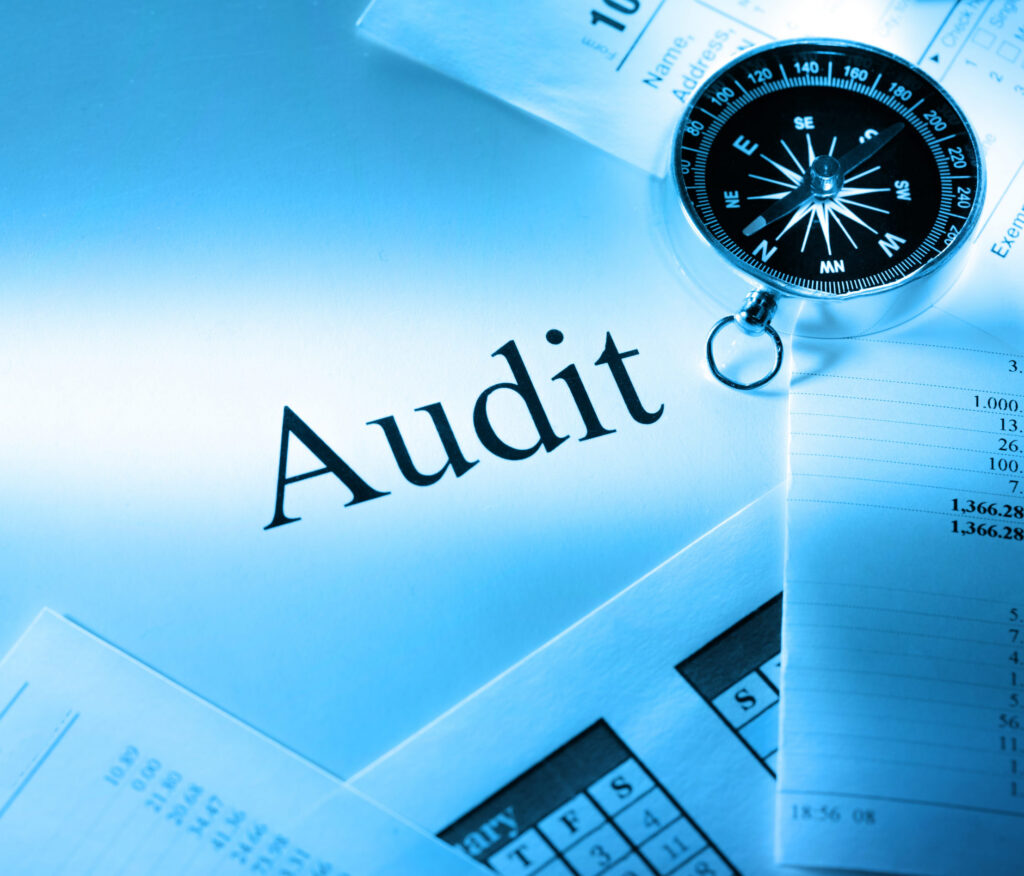
What Triggers the IRS to Audit Your Business?
If your numbers do not match industry averages, the IRS may question them. Poor records can lead to penalties or even business closure.
Large Deductions Raise Questions
Deductions lower your tax bill, but they must make sense. The IRS compares your expenses with those of similar businesses. If your numbers are too high, it raises concern. For example, if a business spends a large part of its income on meals, it looks unusual. Each deduction must be normal and needed for your work.
“Normal” means common in your field. “Needed” means it helps you earn money. Claiming a home office often causes issues, as the space must be used only for business. You just cannot call any place an office, especially not a shared room. Travel and meal expenses also need details. You must record who you met, where, and why with great detail. A simple note is not enough.
Repeated Losses Look Like a Hobby
New businesses may lose money at first. That is normal. But if your business loses money every year, the IRS may question it. They may decide it is a hobby, not a real business.
If that happens, you cannot deduct losses beyond your income. To show your business is real, you need proof of effort. Keep records. Use a separate bank account. Try new ways to earn profit. Show that you are working to improve results. A pattern of losses without change signals a hobby, not a business.
Worker Misclassification Is Risky
Some businesses label workers as contractors to save money. This greatly reduces taxes and gives quite a few benefits, but it can cause problems. The IRS checks if workers are truly independent. The main factor is control.
If you control their schedule and work method, they are likely employees. Contractors work on their own terms. Misclassification leads to back taxes and penalties. You may also face state action in New Jersey. Make sure each worker is classified correctly. This avoids high fines in the future.
Income Mismatches Trigger Alerts
The IRS receives copies of all 1099s and W-2s and carefully matches them with your return. If numbers do not match, you get a notice. This often happens due to small errors, and it might not be your mistake. A client may report a different amount than what you recorded.
It is your job to super carefully report all income exactly. This also applies to multi-state income. If you earn money in different states, track it carefully. Other common issues include unemployment income and gambling winnings. These are reported to the IRS, even if you forget them. Any mismatch leads to questions.
Vehicle Deductions Need Proof
Many business owners claim vehicle expenses, and it is fine. It is completely legal, but it must be accurate. Most vehicles are used for both personal and business trips. Claiming full and only business use raises doubt.
If you claim full use for official purposes, you must show you have another vehicle for personal use. The mileage logs are required, and these logs must show date, trip, and purpose. The IRS checks if your mileage is realistic. You can claim high mileage, be my guest, but without proof, it will lead to audits. Records must be kept during the year. Recreating logs later does not work.
What to Do If You Get Audited?
Now let’s address the main concern. You are likely reading this after getting an audit. So dear, if you receive an audit notice, act quickly. Do not ignore it, as deadlines are very strict.
Gather your records, and before you respond, it will be in your best interest to contact a professional. If you have clear answers and strong records, the audit can end fast.
Key Takeaways
IRS audits follow patterns. They do not happen by chance, and the most high-risk areas include:
- Cash handling
- Large or unusual deductions
- Ongoing losses
- Worker misclassification
- Income mismatches
- High vehicle claims
Each issue links back to one solution, ‘proper records’. New Jersey businesses face added challenges like state taxes and cross-state income. Experts are there for a reason, and they help make this easier.
The goal is simple. Report income correctly. Claim valid deductions. Keep proof for everything. This approach lowers risk and gives peace of mind. If you are confused or not sure what to do, then stop what you are doing and get your phone. Call an IRS solutions expert in NJ, like the well-known Sincoff & Sincoff. The professional deals with all the headaches, and you get what you need. A peaceful sleep at night.
FAQ
What percentage of small businesses get audited?
1 to 3 percent of small businesses get audited each year. The chances are pretty low, but businesses that make more money or deal mostly in cash are more likely to get picked.
Does the filing method affect audit risk?
No, the filing method does not affect audit risk as the IRS focuses on your numbers, not how you file.
What should I do after getting an audit notice?
The first thing you should do after getting an audit notice is to contact a tax expert, gather records, and respond on time.
How do I prove my business is not a hobby?
To prove your business is not a hobby, you need to show effort to make a profit. Keep records, adjust plans, and operate like a real business to keep yourself from getting audited.