
Buying a business is very straightforward when you know how. For people who’ve never bought a business before, laying out the essentials that you need to know is what allows you to buy a business successfully.
Buy a Business That You Understand
The first thing to decide is what type of business you want to buy. Deciding on the type of business you want to buy is important because it will inform how you look for those businesses and how you structure the deal.
You should buy a business that you understand because if you think about it, it doesn’t really make sense to buy a business that you don’t understand. If you already own a business, buy a business that’s similar or identical to yours, buy part of your supply chain, or maybe buy part of your distribution chain.
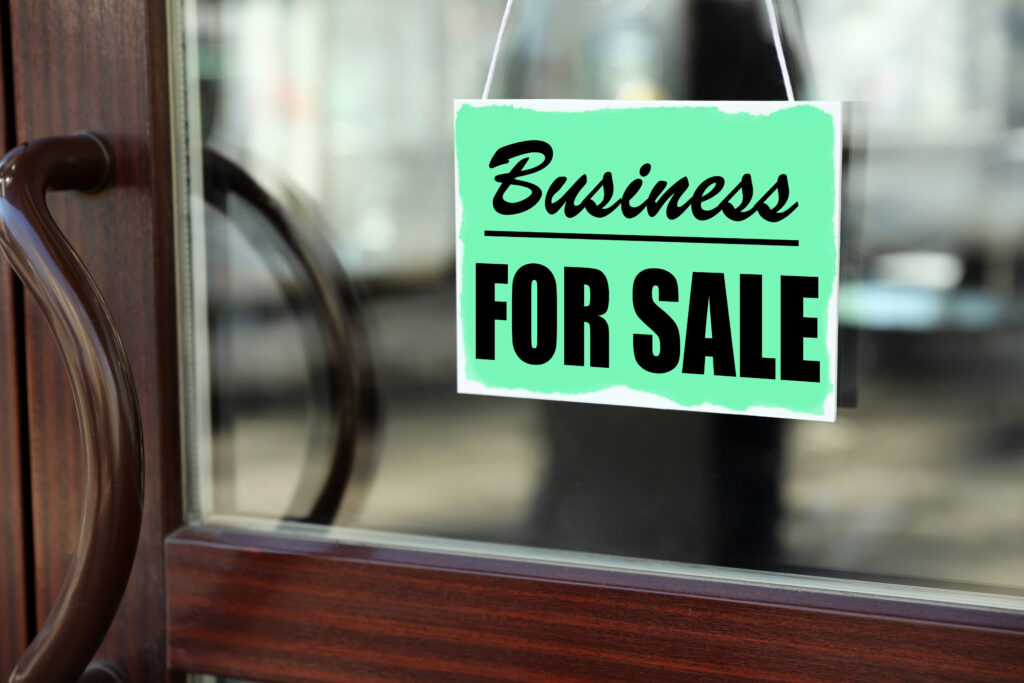
Business For Sale
How to Find Business Sellers and What NOT to Do
Now that we’ve decided which type of business we want to buy, the next step is to find people who want to sell it. You might go to the obvious places, like business brokers who are estate agents for businesses, or to websites where thousands of businesses are listed for sale.
But if you want the very best deal on the very best terms, it’s probably not wise to enter into a negotiation with a professional seller of businesses, especially if you are a beginner.
Your best chance of success is to negotiate directly with the business owner, which means we need to go off-market. We need to go to the owners of businesses that haven’t yet advertised their businesses for sale, but who woke up that morning deciding they don’t want to own this business anymore.
Marketing Practices to Avoid
- Never Cold Call: It is absolute craziness to phone thousands of businesses and say to the person on the end of the phone, do you want to sell your business? It feels like an awful lot of hard work.
- Do Not Spam: You also don’t spam people with thousands and thousands of emails. There are smarter ways of doing it.
The most important thing to remember at this stage is that you need to be speaking to lots of business owners in the sector that you have chosen. You can’t just speak to one and expect that to be the business that you buy. You need to be speaking to lots and lots because you’ll find a better deal if you look harder.
For financial analysis, reach out to us!
You need to look at at least six businesses to find one that’s right for you and a deal you can do. This allows you to start to make comparisons. If you compare it to lots and lots, then you start to see patterns form.
What to Ask Business Owners
When you’re speaking to a business owner for the very first time, you don’t want this to be a casual chat. Many new business buyers spend a long time building rapport, building a relationship, becoming the seller’s friend, and they forget that they need to get down to business at some point.
A structured plan of how each conversation with the owner of a business will go involves 13 questions, 13 things that need to be asked, and 13 pieces of information that you need to acquire to establish whether this is a business that you are interested in buying.
Negotiating Price with Business Sellers (NEVER make an offer)
If you make the mistake of going to intermediaries like business brokers, then they will ask you to put in an offer to buy the business. However, it’s not a very smart way of buying a business
If the buyer asks how much the seller wants, and the seller says make me an offer, the buyer might look at the numbers and nervously send an offer. If the seller rejects it, the buyer might slightly increase the price and send a revised offer. The seller then thinks they can just keep on saying no and watch the price go up and up and up.
Negotiating Terms
It’s not just about the price; it’s also about how you pay the price. In other words, the terms. What you need to be doing is negotiating a price and terms, how you pay the price, that work for the seller, obviously, but also work for you, the buyer. Unless it works for you, you should not be buying that business.
Having a Solid Plan and a Completion Date
The people who take the longest time buying a business, sometimes running into 6 months or more, are typically the people who don’t really know what they are doing. They are making it up as they go along. They are using trial and error to get the deal done. And trial and error always costs more money.
If you’ve got a very, very clear plan, we can get this deal over the line in a matter of weeks, especially if it’s an asset purchase. Always takes a little bit longer with a share deal. But we are now focused on a completion date, and everyone needs to be pointing towards it, and you need the right team on board.
Taking Over the Business, Pre-Transaction Checklist
You’ve bought your first business. Now, you might think that now you’ve bought the business, all the work has been done. But now what we’ve got to do is we’ve got to take over the business.
A pre-transaction checklist is a list of all the information you need once you own the business. Make sure that the seller has listed all that information and lodged it with their solicitor so that the moment you own the business, you can have all that information. All the passwords, for example, the things that people forget to give you once they’ve sold the business and sailed off into the sunset.
Conclusion
Buying a business is very straightforward when you know how and follow a very clear plan. By identifying a business they understand, negotiating directly with off-market owners rather than intermediaries, and avoiding upfront offers, buyers can secure better terms. For business consulting, contact us!