
Tax Consulting in Monmouth and Burlington Counties, NJ, is about more than just filing tax returns.
A great tax consultant separates themselves from the average tax accountant who just files tax returns, and works to make a difference in the lives of the business owners they have an impact on.
A tax consultant can carry a lot of different responsibilities depending on who they work for.
What a Tax Consultant Does
A tax consultant can work in a public accounting firm, providing tax services to many clients. A tax accountant can also work for a corporation, providing tax services for the corporation; this is what people refer to as working in industry.

Tax Consulting in Monmouth & Burlington Counties, NJ
The work of Tax Consulting in Monmouth and Burlington Counties, NJ, falls into two big groups: tax compliance and tax consulting.
Tax Compliance
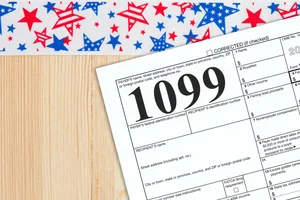
A tax consultant will prepare tax returns, and a lot of them. All individuals have to file tax returns, all corporations have to file tax returns, and so do trusts and partnerships. Since tax returns can get very complicated, clients will reach out for assistance, and it is the consultant’s job to gather all information and complete all required tax forms.
With more experience, tax returns are prepared by junior staff, and the responsibility becomes reviewing those returns and providing feedback. If there are any tax issues, a tax consultant will conduct research, propose a solution, and write a tax memo documenting those issues.
They will also prepare tax estimates, because sometimes a deadline to file a tax return is after a tax payment deadline, and a draft tax return estimates how much tax a client will owe, so they avoid being charged interest.
Tax Consulting
On a variety of tax consulting projects, a tax consultant may help a client with a reorganization of their corporate structure, come up with the most tax-efficient way to distribute cash from their corporation, or work on estate planning, where they help to minimize taxes when a client dies. Each project is unique and requires research and creative thinking to come up with the best solutions.
Principles a Great Tax Consultant Follows in Monmouth and Burlington Counties, NJ
A few principles separate a great tax consultant from an average tax accountant.
Showing Clients How, Not No
A great tax consultant never tells a client that they can’t do something; the job is to show them how. Most clients do not have a tax background. They’re not reading the books a tax professional reads or working in tax software, and they come to the office excited to figure out ways to reduce their tax bill.
If a consultant immediately shuts the door by saying no, clients assume they’re someone who can’t help them get where they’re trying to go, which is paying the least amount of taxes possible. Rather than using the word ” no, a great tax consultant frames the conversation around how something can be done. E
Tax Planning Is a Year-Round Job
There is a difference between tax preparation season and tax planning season. Tax preparation season exists between January and April 15th, when the job is to gather information, place it into the software, and file the return.
During that time, there aren’t many meaningful strategies to leverage other than cost segregation studies and putting money into retirement accounts, and a client needs to have already owned real estate in the previous year to use a cost segregation study. Once the year is over on December 31st, you can’t go back and change the outcome.
Knowing the Thresholds
There are many different thresholds in the tax code: when to switch from a sole proprietorship to an S corporation, from an S corp to a C corporation, how much to pay a management company, and how much to pay yourself in payroll.
Certain deductions can be missed just by not knowing the thresholds correctly. For example, the QBI deduction, which stands for qualified business income deduction, gives a 20 percent deduction on some net business income, but there’s a threshold where it starts to phase out and a threshold that limits it based on how much has been claimed in payroll.
Creative Strategies and Tax Credits
A great tax consultant gets creative and uses all of their resources. That can mean placing children, grandchildren, or grandparents on payroll, or setting up foundations where these family members are under a 501(c)(3) private family foundation.
It can mean using a management company that’s your own and receiving a tax deduction for the money being moved over. Rather than only using 30 percent of the tax code, the goal is to utilize a hundred percent of the tax code.
Re-running the Numbers
A great tax consultant always re-runs numbers for clients at the end of the year. Income fluctuates throughout the year; maybe a client didn’t get the government contracts they expected, or didn’t close on investment properties before year-end. That means going back into the tax plan, looking at how that’s impacted their adjusted gross income and taxable income, and making adjustments.
Frequently Asked Questions
What is the QBI deduction?
You can get 20 deduction on some of your net business income, but there’s a threshold to where it starts to phase out and there’s a threshold that limits you based on how much money you’ve claimed in payroll
What are tax credits?
Tax credits it’s dollar for dollar money coming back to somebody and sometimes tax credits are refundable, which means that they can receive money coming back in the form of a refund check
Who has to file tax returns?
All individuals have to file tax returns, all corporations have to file tax returns and so do trusts and Partnerships
What does a tax consulting project involve?
Each project is unique and requires you to conduct research and think creatively to come up with the best Solutions
Why the Right Tax Consultant Matters
Tax Consulting in Monmouth and Burlington Counties, NJ, is about positioning yourself to be someone who can help business owners pay the least amount of taxes possible.
A great tax consultant separates themselves from the average tax accountant who just files tax returns by being proactive, knowing the thresholds, getting creative with resources and credits, and re-running the numbers before April 15th.
This is how a tax consultant makes a difference in the lives of the business owners they have an impact on.