
Working for yourself is the dream. Set your own hours, chase your own clients, and keep what you earn. Then April rolls around, and reality bites hard. Nobody withheld a single dime. When you’re self-employed, the whole tax job, planning, saving, and filing, lands squarely on you, and only you.
But it really doesn’t have to be a scramble. A little prep genuinely changes everything. Here are some real ways to get your taxes sorted when you work for yourself, so filing season stays boring, in the very best possible way.
Get Ahead Before Tax Season
The secret isn’t some clever trick pulled in April. It’s what you quietly do the other eleven months. For the self-employed, two simple habits carry most of the weight here: clean books and a real plan for the money.
Keep the Books Clean
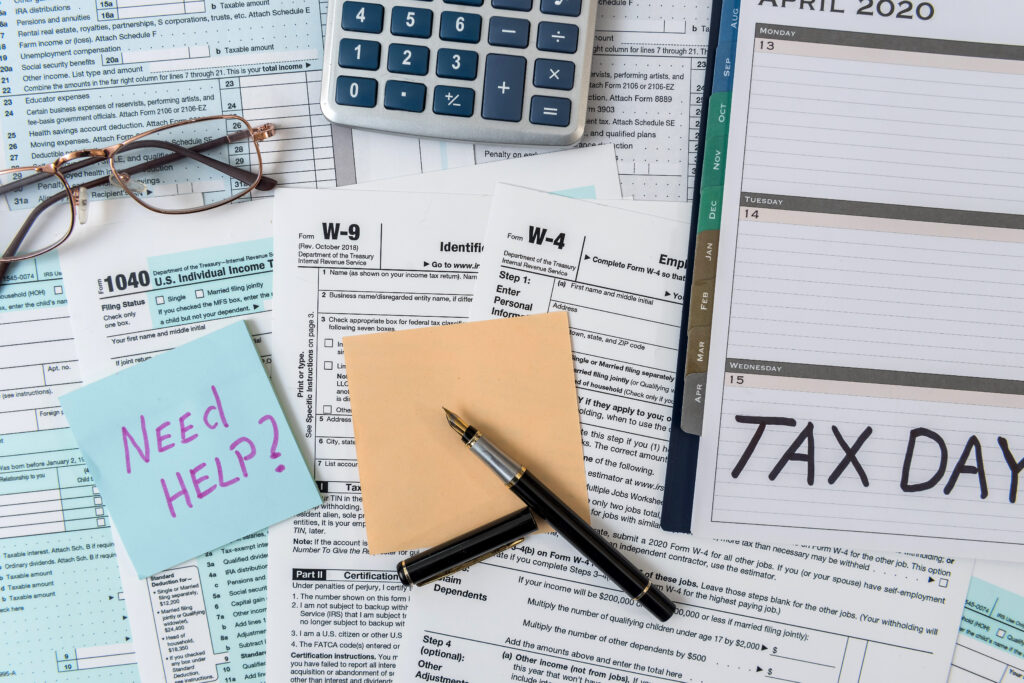
How To Prepare Taxes As a Self-Employed
Records first. Always. When you work for yourself, every single dollar counts, so track them all year, never in a panic later.
- Open a separate bank account, business money on one side, personal on the other.
- Use bookkeeping software or a plain spreadsheet, whatever you’ll actually keep up with.
- Save every receipt and invoice, digital folder or literal shoebox, save them.
- Log income the moment it lands, never from fuzzy memory come spring.
Tidy records make filing simple and quietly unlock every last deduction you earned. Clean books beat a frantic, sweaty April every single time.
Money, Taxes, and Write-Offs
Here’s the part that trips most people up. Two jobs, really: holding back cash for the tax bill, and knowing exactly what you can knock off it.
Stashing Cash for the IRS
No boss is withholding a thing from you. So you do it yourself. Skim a slice off every single payment into a separate account, and the money is just sitting there waiting when it’s finally due. Since you owe as you earn, the IRS generally wants self-employed folks paying estimated taxes quarterly, not once a year. Miss those, or lowball them, and penalties quietly pile up. A trusted CPA can pin down the right number for your specific situation.
Deductions You Can Claim
Now the upside. Running your own show opens up a whole range of real deductions, and claiming them actually trims your taxable income for the year:
- A slice of home office costs, if that’s genuinely where you work.
- Supplies, equipment, and the software you run the whole business on.
- Business mileage and legitimate, documented travel.
- Health insurance premiums and qualified retirement contributions.
Rules shift year to year, so keep records and always check what applies to your case. The deductions you can actually prove are the only ones you keep.
Don’t Go It Alone
You can absolutely file solo, sure. But self-employment gets tangled fast, and the rules never once sit still. This is exactly where a real pro quietly earns their keep.
Why a CPA Earns Their Fee
Think about what you’re actually buying here. A good CPA digs up deductions you’d have flat missed, keeps you square with shifting rules, and heads off the expensive mistakes, while the official IRS Self-Employed Tax Center covers the basics for free. Pair sharp tax preparation with steady year-round business support, and the guesswork evaporates. For anyone self-employed, that kind of expertise pays for itself fast. Ready to finally get ahead of it? Contact Sincoff and Sincoff for a free consultation.
Frequently Asked Questions
Do I really have to pay taxes quarterly when self-employed?
Usually, yeah. Nobody is withholding a cent for you, so the IRS generally expects self-employed people to send in estimated taxes four separate times a year. Skip them, or underpay, and penalties and interest quietly creep in. How much exactly? That rides entirely on your income and profit, so a trusted CPA can run the numbers and set your payment schedule, keeping you on track all year long.
What can I actually deduct?
More than you’d probably think, if the records back it all up. Think of a slice of your home office, business supplies and gear, business mileage, health insurance premiums, and qualified retirement contributions. The catch: the expense has to be genuinely business-related and ordinary, with supporting documentation to prove it. And since tax rules change over time, it’s always smart to confirm with a pro exactly what applies to your situation.
Is a CPA worth it for self-employed folks?
Often, very much so. Self-employment taxes tangle up fast, and a good CPA finds deductions you’d easily miss, keeps you fully compliant as the rules change, and buys back your precious time and sanity. They plan to file, not just in a last-minute rush. If the money is growing or the whole thing feels heavy, a good pro usually pays for itself.
How do I dodge a giant tax bill in April?
Plan all year, not the night before. Stash a cut of every payment, pay the quarterly estimates, and track your deductions as you go. Stay organized, and the nasty surprises shrink; the bill gets far more predictable. A good CPA can build a whole proactive strategy around your income and your goals. Contact Us and start with a free consultation.